Choosing between India and China for your tech supply chain is one of the biggest decisions you'll make as a business owner. Both countries offer compelling advantages, but they excel in different areas. Let's break down what each brings to the table so you can make the right choice for your business.
China: The Manufacturing Powerhouse
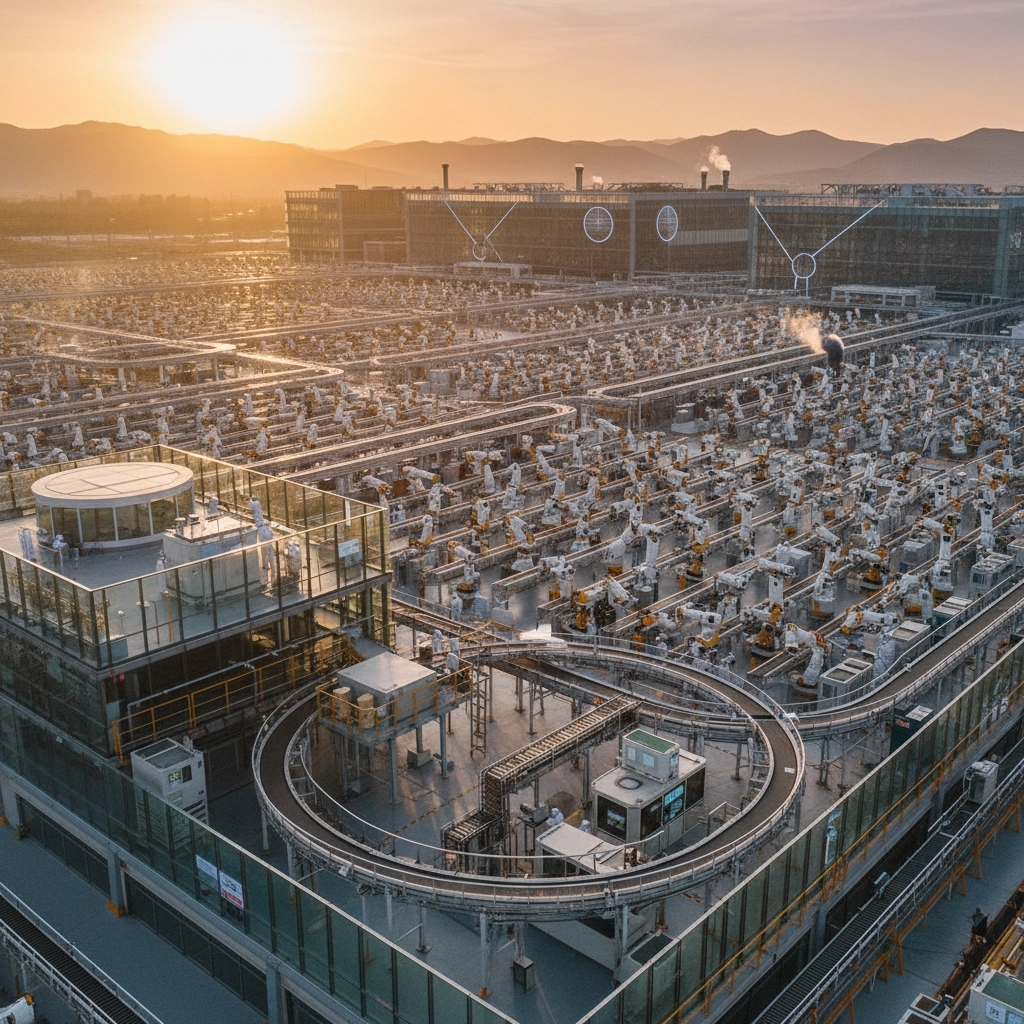
China has dominated global manufacturing for decades, and there's good reason for that. The country produces about 35% of everything manufactured worldwide, making it the undisputed leader in scale and efficiency.
What Makes China Strong
World-Class Infrastructure
China's infrastructure is honestly impressive. We're talking about 40,000+ kilometers of high-speed rail, massive port systems, and logistics networks that can get your products from factory to shipping container faster than anywhere else. This isn't just convenient: it's a competitive advantage when you need speed to market.
Manufacturing Expertise That's Hard to Beat
Chinese factories have been perfecting complex manufacturing for years. Whether you need semiconductors, automotive parts, or aerospace components, the expertise is already there. The workforce knows what they're doing, and quality control systems are well-established.
Automation and Tech Integration
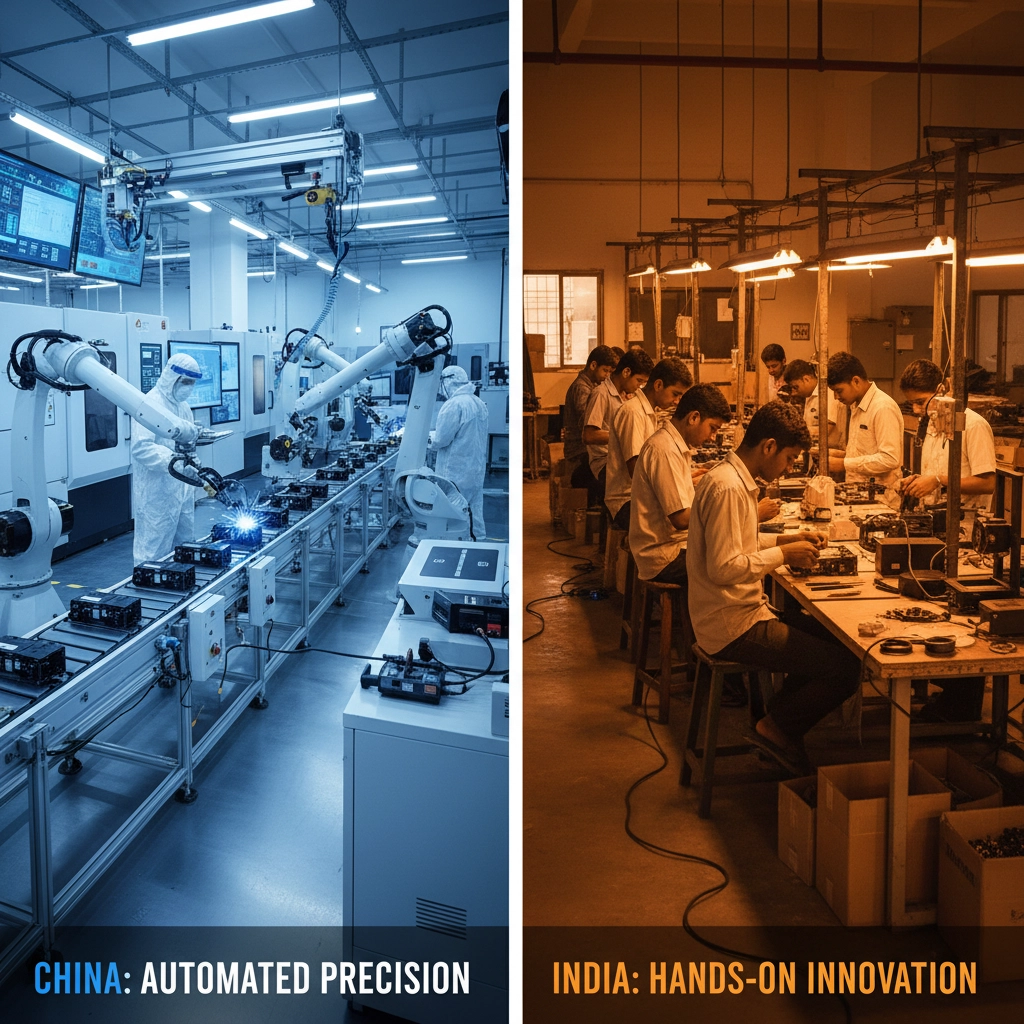
China isn't just about cheap labor anymore. Many factories are heavily automated with Industry 4.0 tech, AI, and IoT integration. If you need high-precision, consistent production at scale, China's got the tools and know-how.
The Challenges You'll Face
Rising Costs
Here's the reality: Chinese labor isn't cheap anymore. Average manufacturing wages have hit $9-10 per hour in urban areas, with annual wages exceeding $10,000. That's a far cry from the bargain basement prices of the past.
Geopolitical Headaches
The ongoing tensions between China and the U.S./EU create real business risks. Tariffs, sanctions, and export restrictions can hit your supply chain unexpectedly. Many companies are now pursuing "China+1" strategies to reduce this risk.
India: The Rising Alternative
India is making serious moves in the manufacturing space, and smart companies are taking notice. While it's still smaller in scale: producing less than 3% of global manufacturing output: the potential is enormous.
India's Key Strengths
Cost Advantage That's Real
Indian manufacturing wages are still below $3 per hour in most regions. That's often 50-60% less than China, which translates to significant savings on your bottom line.
Massive, Young Workforce
India has over 900 million working-age people, and they're young. The country produces more than 1.5 million engineering graduates every year. This isn't just about quantity: it's about having fresh talent that's adaptable and tech-savvy.
Government Support That Actually Helps
Programs like "Make in India" and Production Linked Incentive (PLI) schemes offer real benefits: tax breaks, subsidies, and infrastructure improvements. The government is serious about building manufacturing capabilities.
Digital Skills Edge
Indians excel at software development and digital integration. If your manufacturing involves IT components or digital transformation, India's got a natural advantage here.

Where India Still Struggles
Infrastructure Gaps
While India is investing heavily in infrastructure through programs like Bharatmala and Sagarmala, gaps remain. Last-mile delivery, port congestion, and inter-state transport can still cause headaches.
Quality Consistency Issues
Unlike China's established quality systems, India's quality can be inconsistent. You'll need stronger oversight and may need to invest more in supplier development.
Scale Limitations
India simply isn't at China's scale yet. If you need massive production volumes immediately, China might be your only viable option.
Head-to-Head Comparison
| Factor | China | India |
|---|---|---|
| Labor Costs | $9-10/hour (urban) | Under $3/hour |
| Infrastructure | World-class, mature | Improving, but gaps exist |
| Tech Expertise | Advanced automation | Strong IT integration |
| Quality Control | Consistent standards | Variable, needs monitoring |
| Production Scale | 35% global output | Under 3% global output |
| Workforce | Experienced, skilled | Young, largest engineering base |
| Government Support | Standard incentives | Aggressive PLI schemes |
| Geopolitical Risk | High tensions, tariffs | Lower, stable |
Making the Right Choice for Your Business
Choose China When:
You Need Complex, High-Tech Manufacturing
If your products require advanced manufacturing processes: think semiconductors, precision electronics, or aerospace components: China's expertise and infrastructure make it hard to beat.
Volume and Speed Matter Most
When you need massive scale production or lightning-fast turnaround times, China's established supply chains and logistics networks give you the edge.
Quality Consistency is Critical
For products where quality variations could be catastrophic, China's mature quality control systems provide peace of mind.
Choose India When:
Cost is Your Primary Concern
If you're in a price-sensitive market and need to minimize production costs, India's labor advantage is substantial.
You Want Supply Chain Diversification
Smart companies are reducing their China dependence. India offers a viable alternative that reduces geopolitical risk.
Your Products Involve IT Integration
For tech-enabled manufacturing or products requiring software integration, India's digital skills make it a natural fit.
You're Targeting the Indian Market
If you plan to sell in India, manufacturing there makes sense for logistics and government incentives.
The Smart Strategy: Don't Pick Just One
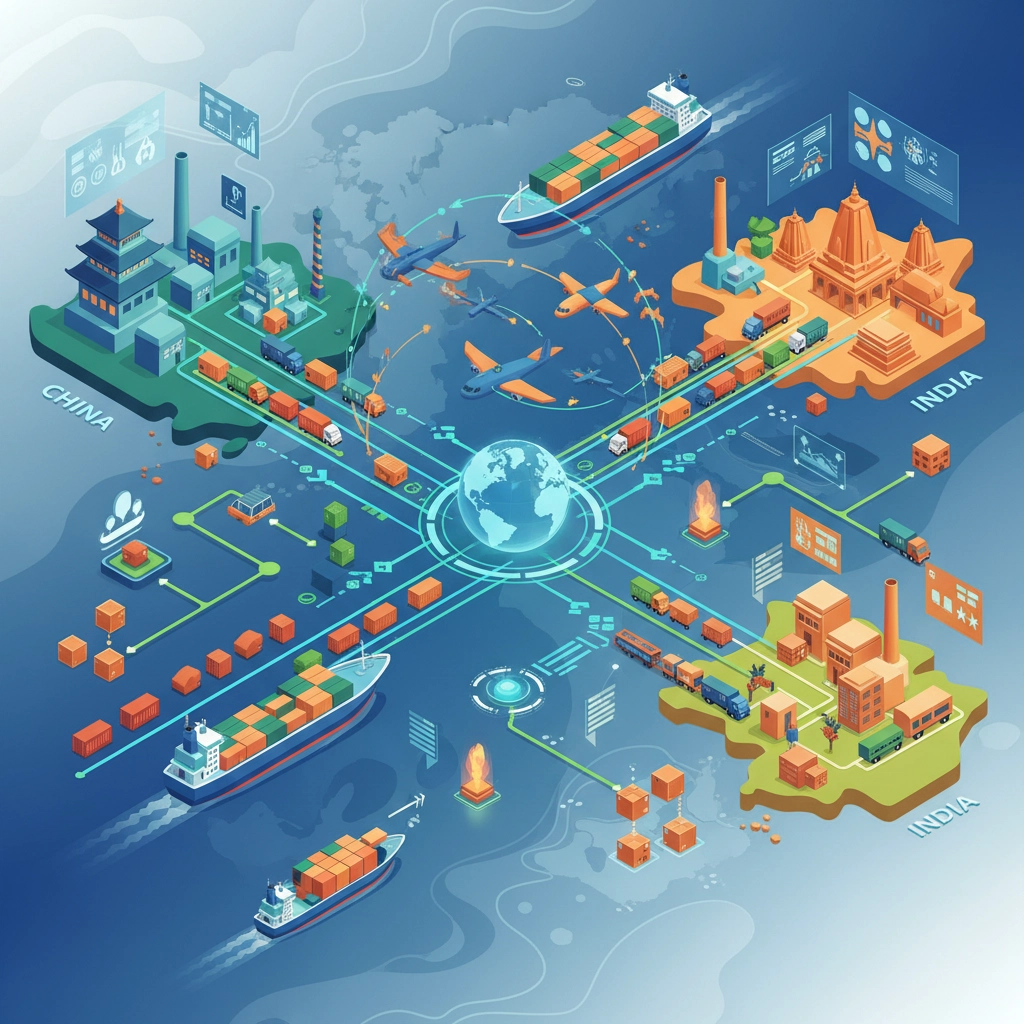
Here's what many successful companies are doing: they're not choosing between India and China: they're using both strategically.
The China-Plus-One Approach
Use China for high-tech, automated production where their expertise shines. Use India for cost-effective, labor-intensive components and as a backup option. This gives you the best of both worlds while reducing risk.
Risk Mitigation
Having suppliers in both countries means you're not vulnerable to disruptions in either. Whether it's a trade war, pandemic, or natural disaster, you've got options.
Looking Forward
The manufacturing landscape is changing rapidly. China is moving toward higher-value production and dealing with an aging workforce. India is investing heavily in infrastructure and building manufacturing capabilities.
Your choice between India and China shouldn't be permanent. The smart approach is to start where it makes the most sense for your current needs, then expand strategically as your business grows and market conditions change.
The key is understanding that this isn't really about which country is "better": it's about which country is better for your specific needs, timeline, and risk tolerance. Both India and China will continue to play important roles in global tech supply chains, just in different ways.
What matters most is making a decision based on your actual requirements, not just following the crowd or chasing the lowest costs. The cheapest option isn't always the best option, and the most expensive isn't always worth it either.